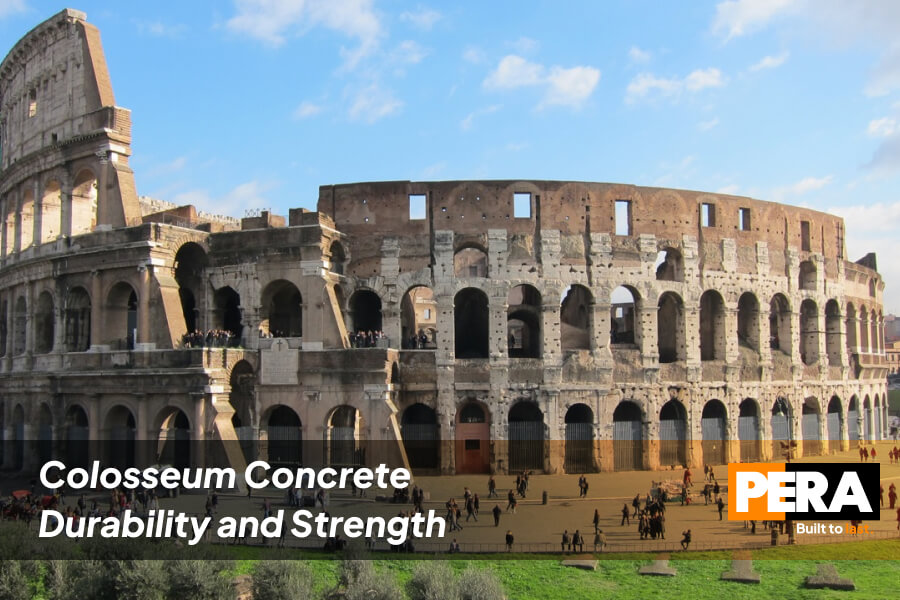
The Colosseum, an iconic symbol of ancient Rome, stands as a testament to the engineering prowess of the Roman Empire. Built nearly two millennia ago, this massive amphitheater has withstood the ravages of time, natural disasters, and human interference. A significant part of its enduring legacy lies in the remarkable strength and durability of its concrete. In this blog, we will explore the marvels of Colosseum concrete, examining its composition, the techniques used in its construction, and the secrets behind its resilience.
The Historical Context of Roman Concrete
The Romans were not the first to use concrete, but they refined and perfected its composition. Unlike modern concrete, which relies heavily on Portland cement, Roman concrete, known as opus caementicium, utilized a mixture of lime (calcium oxide), volcanic ash (pozzolana), water, and aggregates such as stones or bricks. This blend resulted in a building material that was not only incredibly strong but also capable of withstanding harsh environmental conditions.
Construction Techniques and Innovations
The Magic of Pozzolana
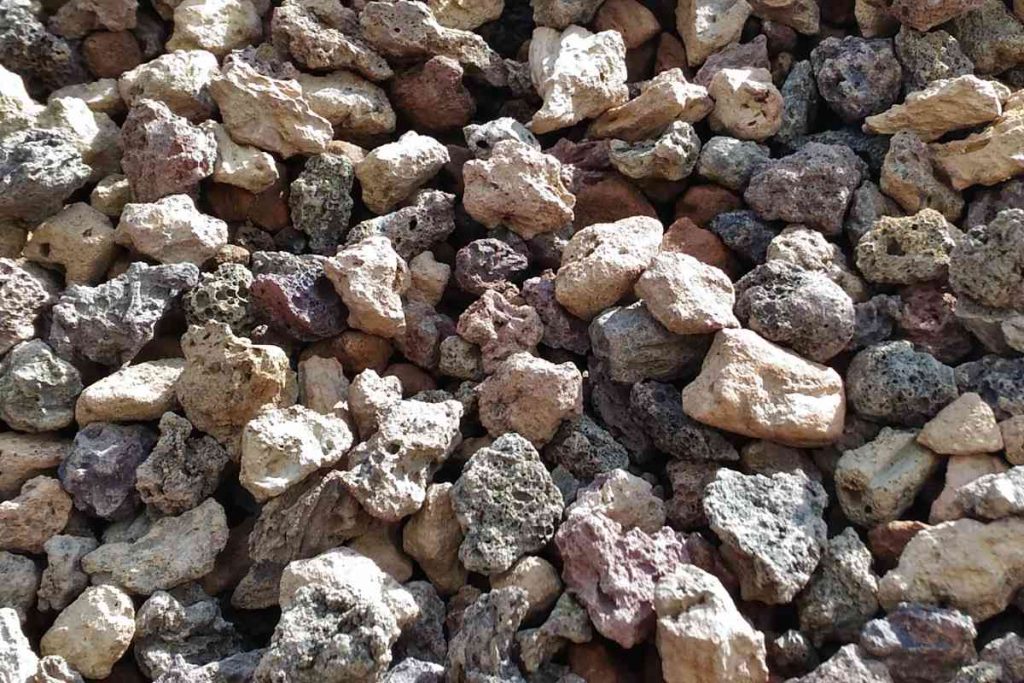
One of the key ingredients in Roman concrete is pozzolana, a type of volcanic ash found in abundance around the regions of Pozzuoli and Mount Vesuvius. Pozzolana reacts with lime and water to form a robust, durable binder. This chemical reaction, known as the pozzolanic reaction, significantly enhances the concrete’s compressive strength and resistance to cracking.
The Role of Lime
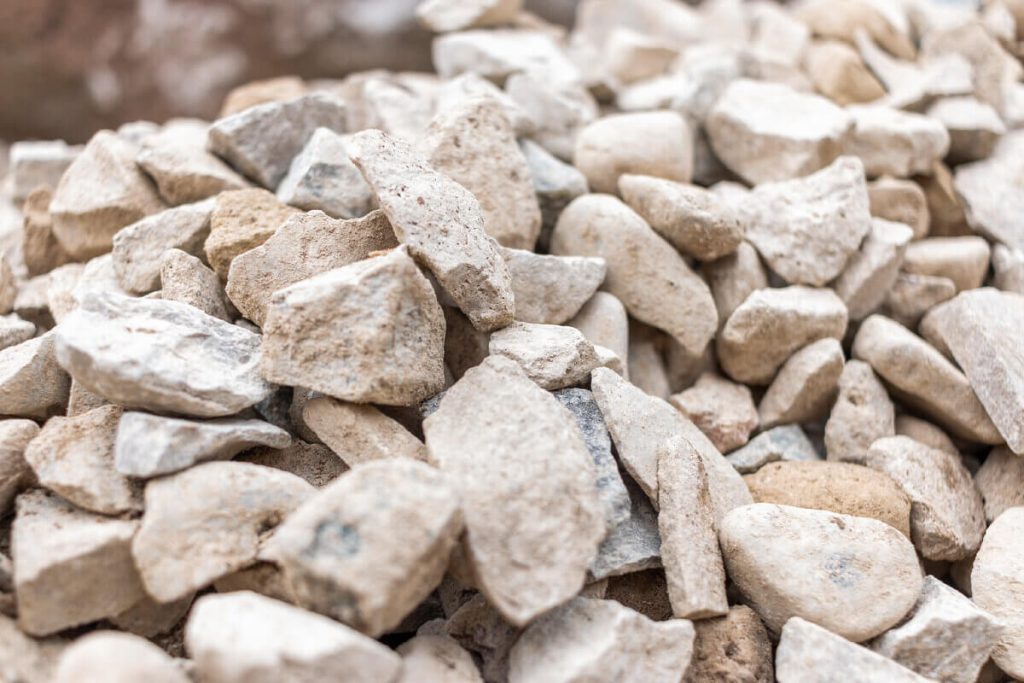
Lime, derived from heating limestone, serves as the primary binder in Roman concrete. When combined with water and pozzolana, lime undergoes a chemical transformation, producing a gel-like substance that fills the gaps between aggregates and hardens over time. This process, called carbonation, continues for years, further strengthening the concrete as it ages.
Aggregate Materials
The aggregates used in Roman concrete were diverse, ranging from crushed stones and bricks to larger volcanic rocks. These materials provided the necessary bulk and structural integrity, while the binding agents held everything together. The careful selection and grading of aggregates contributed to the overall strength and stability of the concrete.
The Layering Technique
Roman engineers employed a layering technique known as opus caementicium, where concrete was poured in layers and allowed to set before the next layer was added. This method ensured a solid and cohesive structure, minimizing the risk of weak points or internal fractures. Additionally, the use of wooden forms helped shape the concrete and maintain its desired form during the curing process.
Waterproof Concrete
Another remarkable feature of Roman concrete is its resistance to water. The addition of pozzolana made the concrete virtually impermeable to water, preventing damage from moisture and freeze-thaw cycles. This property was especially crucial for structures like the Colosseum, which had to endure exposure to the elements over centuries.
The Science Behind the Durability
Self-Repair and Long-Term Strength
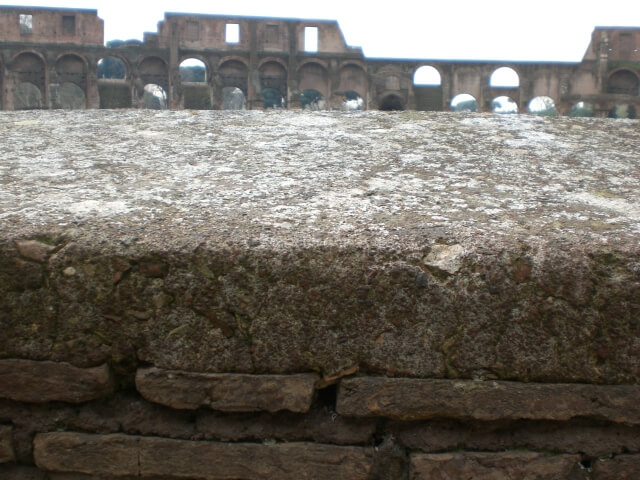
The long-term strength of Roman concrete is a result of the slow, continuous chemical reactions that occur within its matrix. The pozzolanic reaction between lime and volcanic ash continues for years, gradually increasing the concrete’s density and hardness. This ongoing process, known as autogenous healing, allows the concrete to self-repair minor cracks and imperfections, enhancing its longevity.
Resistance to Environmental Factors
Roman concrete’s unique composition also makes it highly resistant to environmental factors such as temperature fluctuations, moisture, and chemical exposure. The dense, impermeable nature of the concrete prevents water ingress, reducing the risk of frost damage and chemical degradation. Furthermore, the presence of volcanic ash inhibits the growth of harmful microorganisms, which can weaken modern concrete over time.
Modern Scientific Investigations
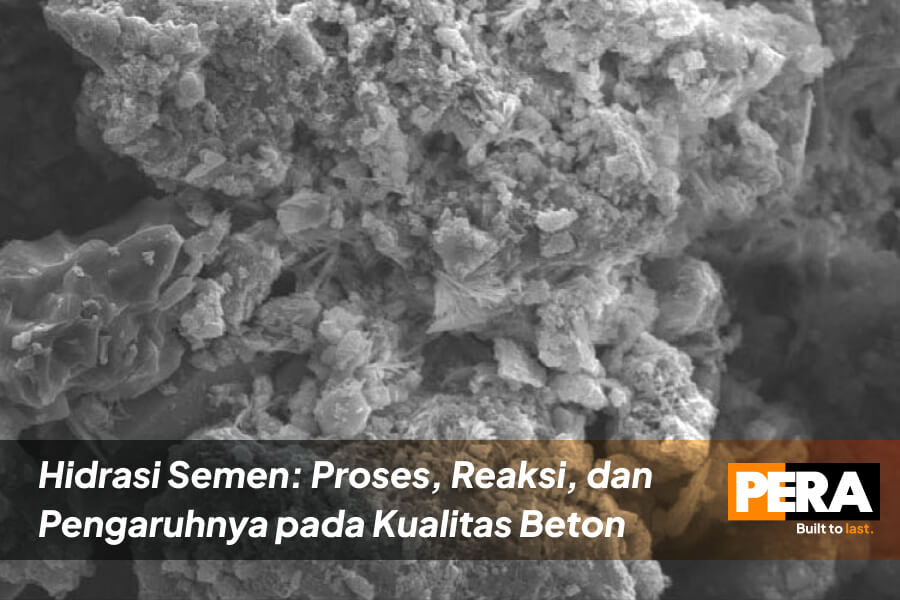
Modern scientists have extensively studied Roman concrete to uncover the secrets of its durability. Advanced analytical techniques, such as scanning electron microscopy and X-ray diffraction, have revealed the microstructural details of the concrete, providing valuable insights into its composition and behavior. These studies have not only deepened our understanding of ancient Roman engineering but also inspired the development of more durable and sustainable construction materials today.
Advancements in concrete technology continue to push the boundaries of what is possible. Innovations such as self-healing concrete, which mimics the autogenous healing properties of Roman concrete, and ultra-high-performance concrete (UHPC), which boasts unprecedented strength and durability, are revolutionizing the construction industry. By combining ancient wisdom with modern science, we can create concrete that outperforms even the most durable historical structures.
PERA’s Innovative Solutions
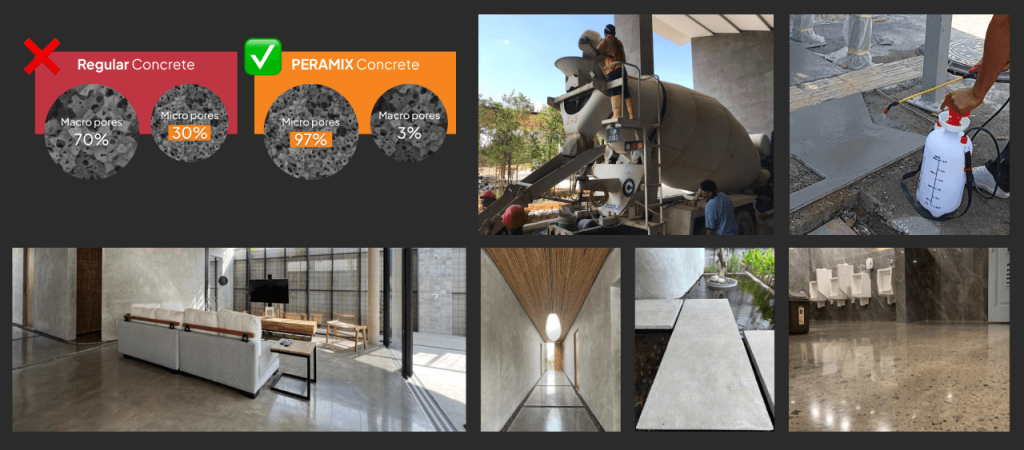
In today’s world, achieving the same level of concrete strength and durability as the Colosseum is not just a dream but a reality, thanks to PERA products. Our advanced concrete solutions are designed to match and even surpass the qualities of ancient Roman concrete, ensuring your construction projects stand the test of time. Here’s how PERA products can help you achieve unparalleled concrete quality:
- Water Resistance: Our concrete formulations are engineered to be virtually impermeable to water, preventing damage from moisture and freeze-thaw cycles.
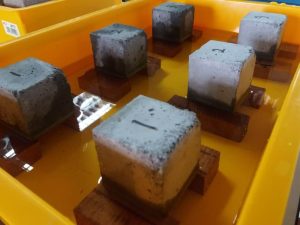
- Corrosion Resistance: PERA products offer superior resistance to corrosion, ensuring the longevity and structural integrity of your constructions in even the harshest environments.
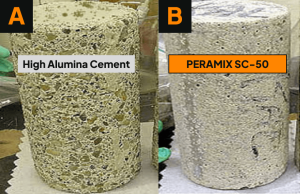
- Self-Healing Microcracks: Inspired by the self-repairing properties of Roman concrete, our products incorporate advanced technologies that enable the concrete to heal microcracks, maintaining its strength and durability over time.
- Environmentally Friendly Inorganic Materials: We use eco-friendly materials that significantly reduce the carbon footprint of your projects, aligning with modern sustainability goals.
- CO2 Emission-Free: Our innovative formulations are designed to be free of CO2 emissions, contributing to a cleaner and greener environment.
- Easy Application: PERA products are user-friendly and easy to apply, making them ideal for a wide range of construction projects, from large-scale infrastructure to residential buildings.
By choosing PERA products, you are investing in the future of construction, combining ancient wisdom with cutting-edge technology to create structures that will endure for generations. Let us help you build a legacy of strength, durability, and sustainability.